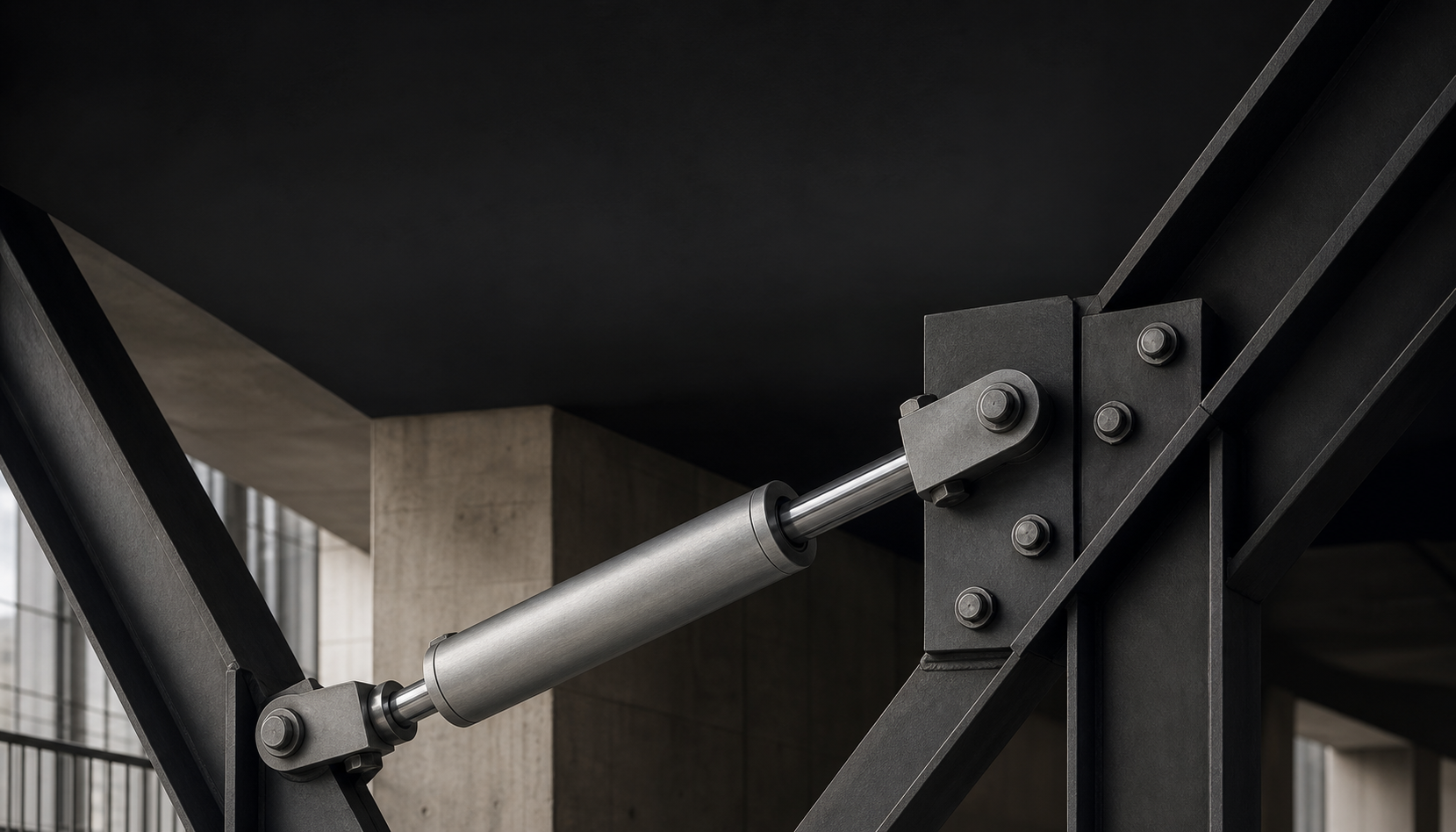
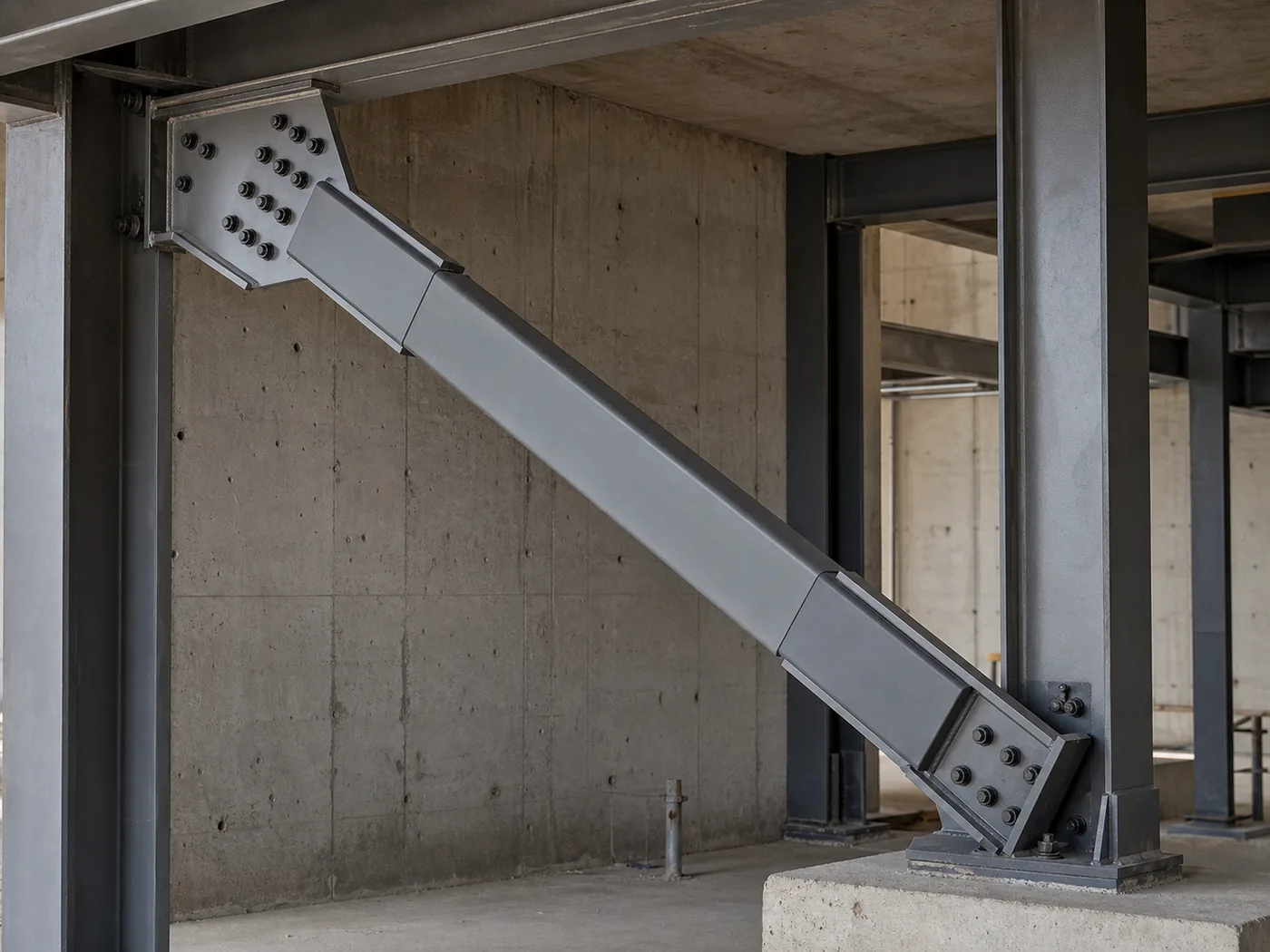
Viscous damper device — inside a steel chevron brace, editorial engineering detail
Innovative Methods

Innovative engineering solutions for high seismic performance in critical structures.

From isolation to damping, from nonlinear analysis to device selection — we explain methods ahead of industry practice in a single engineering language.

Scope
3 methods · 1 analysis language
Device
Damper · BRB · FPS · LRB
Method
NLTHA · fiber model
Status
Open to new projects
Discipline / Seismic engineeringRegion / Istanbul · TR
02 — Method languageAdvanced seismic systems

Designing structures not under the code, but over behavior.

Conventional design is built on making a structure sufficiently "rigid" against earthquake forces. Performance-based modern engineering turns the question around: how do we want the structure to behave, and with which device / system combination do we achieve it?

The three methods below — viscous damping, seismic isolation, and nonlinear analysis — are tools for unpacking that question. All are handled integrally within the ProYA design process, through a single engineering discipline.

03 — Systems3 methods · 1 analysis language

We design not component by component, but a holistic seismic behavior strategy.

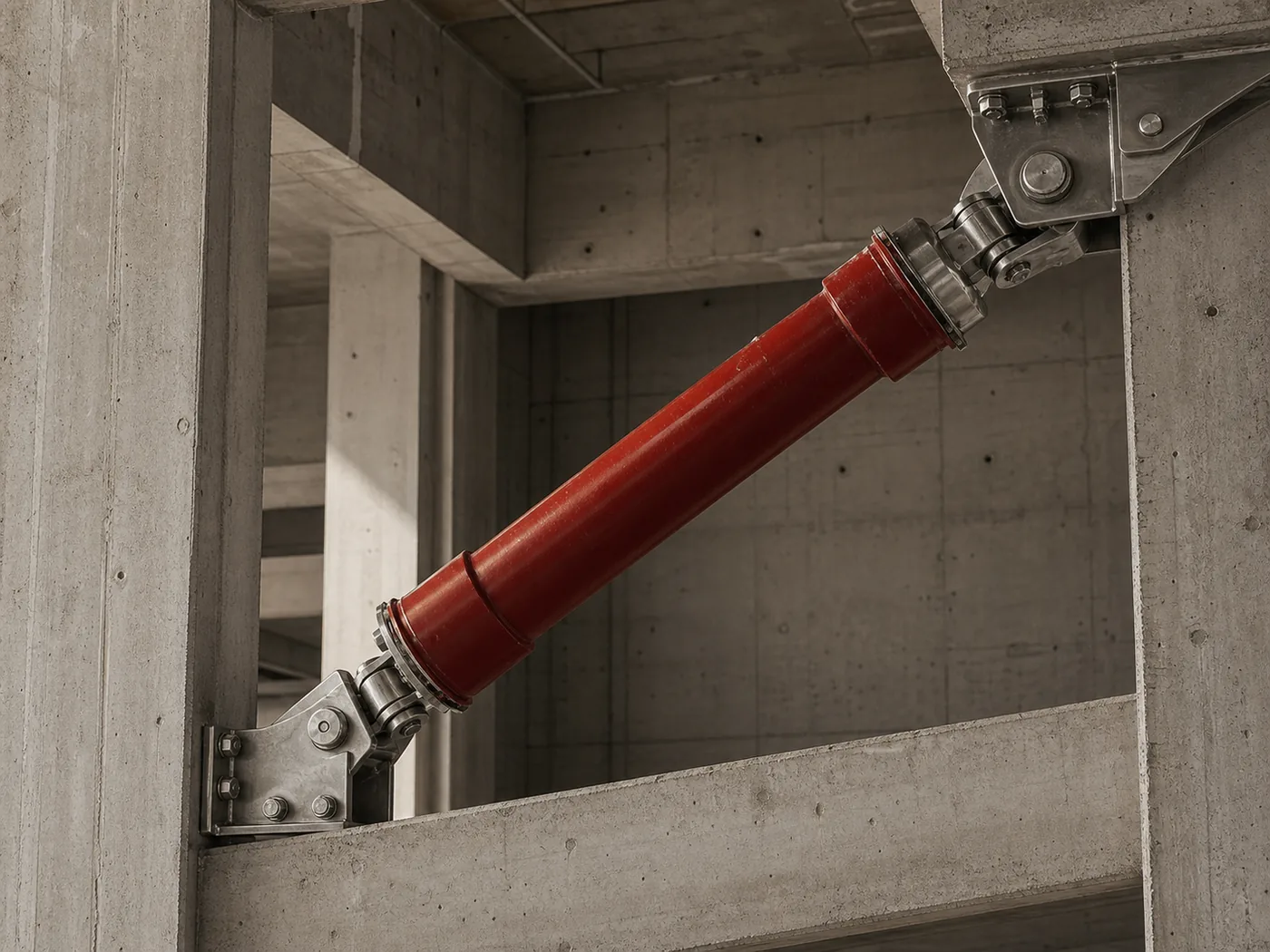
Damper · BRBDamper · BRBSystem I · VISCOUS
I Viscous Damper · Fluid Viscous Damper

A velocity-dependent device that converts earthquake energy into heat.

Viscous fluid pressurized inside a cylinder resists piston movement. The damping force is velocity-dependent (F = C · vα), so it works in harmony with structural displacements.

01 WhatA cylinder-piston, velocity-dependent passive control device. Usually placed at floor level within a chevron or diagonal brace.
02 How it worksThe pressure differential created as hydraulic fluid passes through orifices converts kinetic energy into heat. The structural damping ratio is raised from 10% → 30%+.
03 WhenWhen economic balance matters in the strength­ening of existing structures; and in high-rise buildings requiring displacement control.
04 ProYA approachCalibration of the velocity exponent (α) and capacity curve according to structural demand. Model validation through manufacturer prototype testing.
  • FVD
  • Velocity-dependent
  • NLTHA
  • FEMA 273 / 356
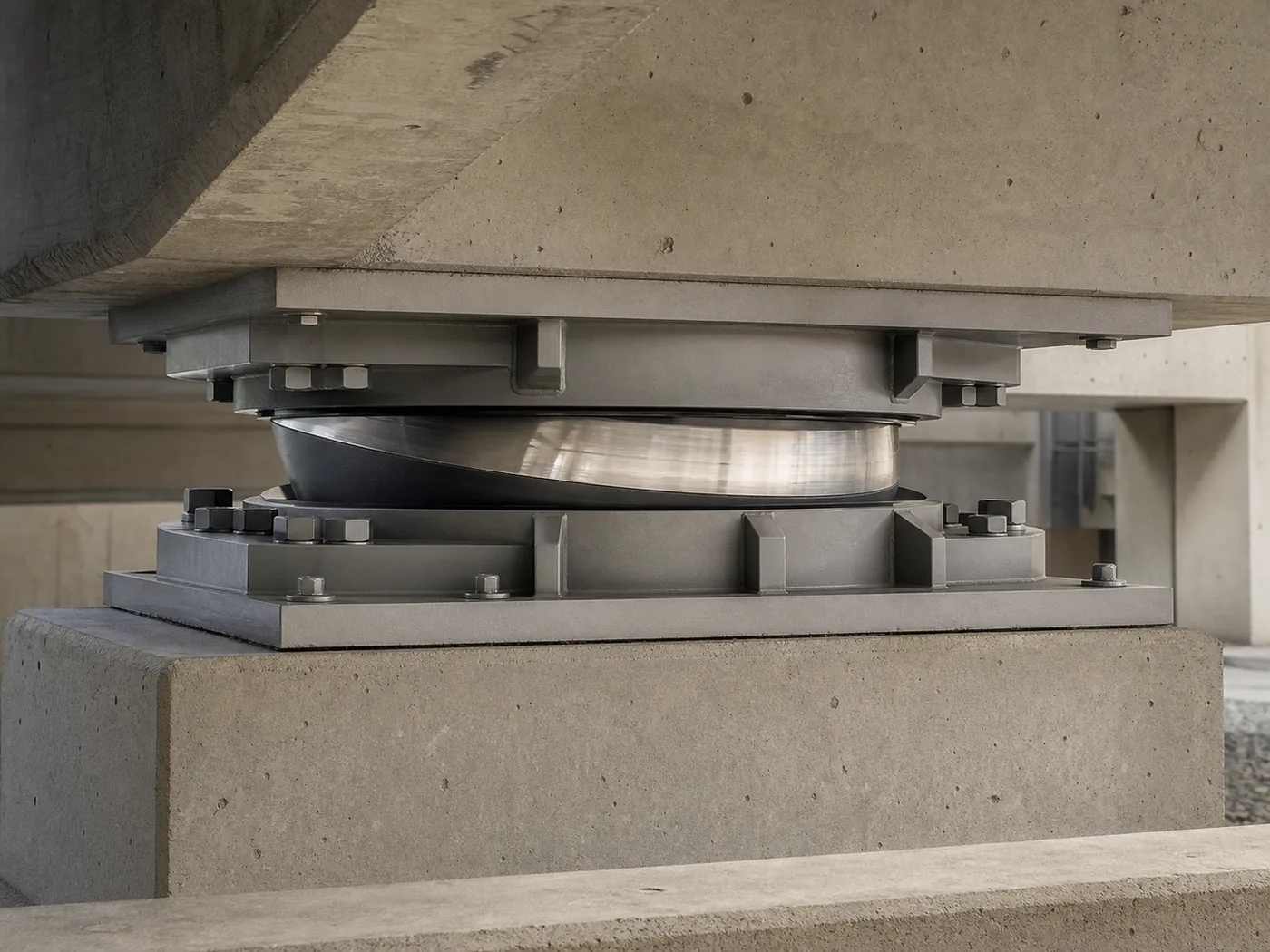
Pot Bearing · LRBPot Bearing · LRBSystem II · ISOLATOR
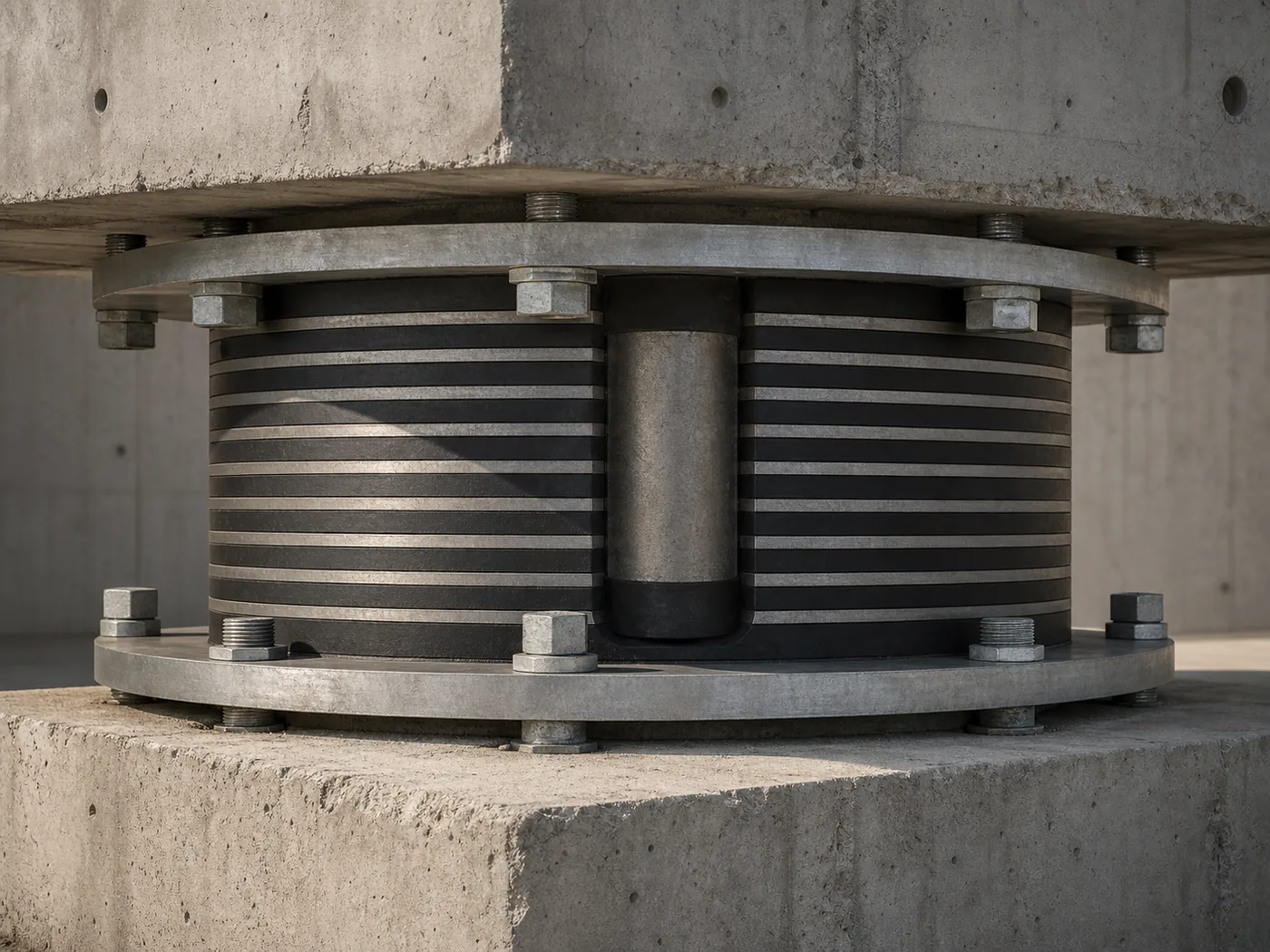
II Seismic Isolation · Base Isolation

Reducing earthquake effects by separating the structure from the ground.

Elastomeric or sliding-type isolators placed between the structure and the foundation lengthen the structure’s natural period, filtering out much of the seismic energy. The superstructure behaves almost like a rigid mass.

01 WhatA substructure plane with horizontal deformation capacity, separating the superstructure from the foundation. Elastomeric (rubber-steel laminate) or friction sliding (FPS) type.
02 How it worksIt shifts the natural period to the 2 — 4 sec range, moving it into the low-acceleration region of the response spectrum. The damping ratio rises to 15% — 30%.
03 WhenHospitals, data centers, museums, critical public buildings; structures targeting continuous operation and where protecting contents (equipment) is critical.
04 ProYA approachManufacturer-independent device selection. Velocity-dependent NLTHA model, acceptance test protocol, and site acceptance inspection under one file.
  • Elastomeric
  • FPS
  • NLTHA
  • ASCE 7-22 / 41
NLTHA — ground motion record set schematic REC · 01 REC · 02 REC · 03 T = 0 T = 30 SEC STRUCTURE · RESPONSE MAX · STORY DRIFT
III Nonlinear Time History Analysis · NLTHA

Simulating structural behavior with real earthquake records.

NLTHA solves the structural model over time with one or more selected ground motion records; nonlinear behavior of elements (yielding, capacity depletion) is modeled directly.

01 WhatDynamic analysis in the time-history domain using nonlinear element models; a realistic simulation of the design earthquake.
02 How it works7 — 11 ground motion records are scaled to the design spectrum; step-by-step solution for each record; demand / capacity reported element by element.
03 WhenStructures with isolation / damping devices, structures targeting performance-based design, critical public projects.
04 ProYA approachRecord set selection with specification compliance + validation against site record database; cross-validation with an alternative model.
  • Perform3D
  • OpenSees
  • ASCE 7-22
  • FEMA P-1050
04 — ComparisonSystem matrix

Which system, for which behavior?

SystemDependentResponseTypical useDamping ratio
Seismic isolationDisplacementPeriod elongationHospital · data center · critical public15% — 30%
Viscous damperVelocity (vα)Damping increaseHigh-rise · strengthening10% → 30%+
NLTHA analysisSimulationAll performance-based design

NOTE / This table is not a decision matrix; the design decision is made together with site data, owner expectations, and the performance target.

Let’s shape the most robust seismic performance strategy for your project together.

E-Postainfo@proyaeng.com
Telefon+90 554 197 20 58
Response1 — 2 business days